CASTINGS & PRECISION MANUFACTURING
Cast for the geometry. Machined for the function.
We produce engineered steel components through casting, precision machining, finishing and agreed inspection—so critical interfaces arrive ready for the next stage of assembly or use.
Have a drawing, model or sample? Share what is available. If the casting route is not yet defined, begin with the material, application and functional requirements.
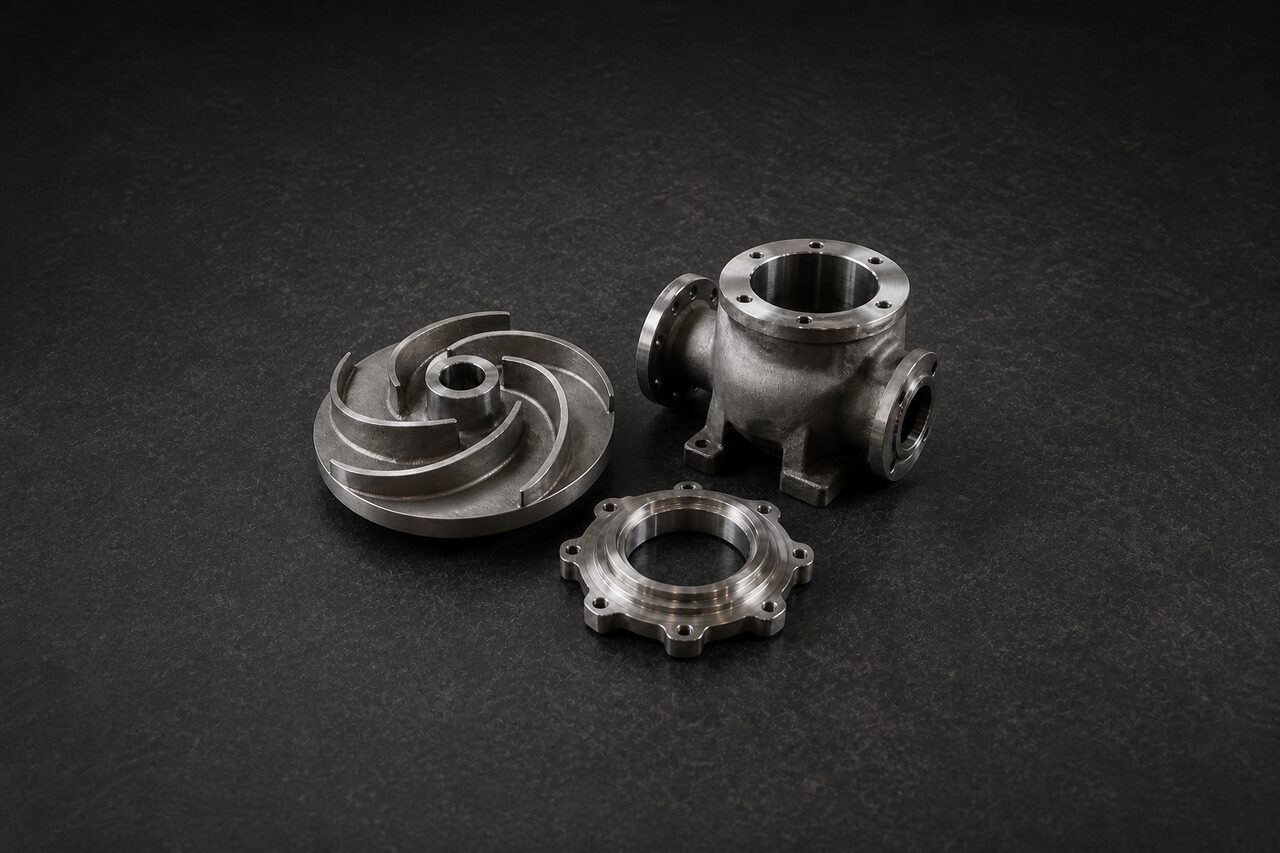
CAPABILITY OVERVIEW
Castings and precision manufacturing at a glance
- Materials
- Stainless, duplex and alloy steel
- Component families
- Impellers, turbine and pump components
- Delivery form
- Cast, machined and finished components
- Review basis
- Geometry, critical interfaces and inspection requirements
We take a castings and precision manufacturing requirement from definition through production, finishing, agreed inspection and delivery. See how AtomAdd works
FROM CAST FORM TO CRITICAL FEATURE
Use each process where it adds value.
The casting route establishes the material and overall geometry. Precision machining is concentrated on the features that govern fit, motion, sealing or assembly.
-
CAST FORM
Overall shape, section changes and features suited to the selected casting route.
-
MACHINED INTERFACES
Bores, datum faces, mounting features, threads and other drawing-critical details.
-
FINISHING & INTEGRATION
Specified treatments, surface finishing, inspection and assembly requirements considered as one manufacturing scope.
MATERIALS & VERIFICATION
Defined around the component.
Stainless, duplex and alloy steels are established starting points. The exact grade and casting route are reviewed against the operating environment, geometry, quantity and required downstream work.
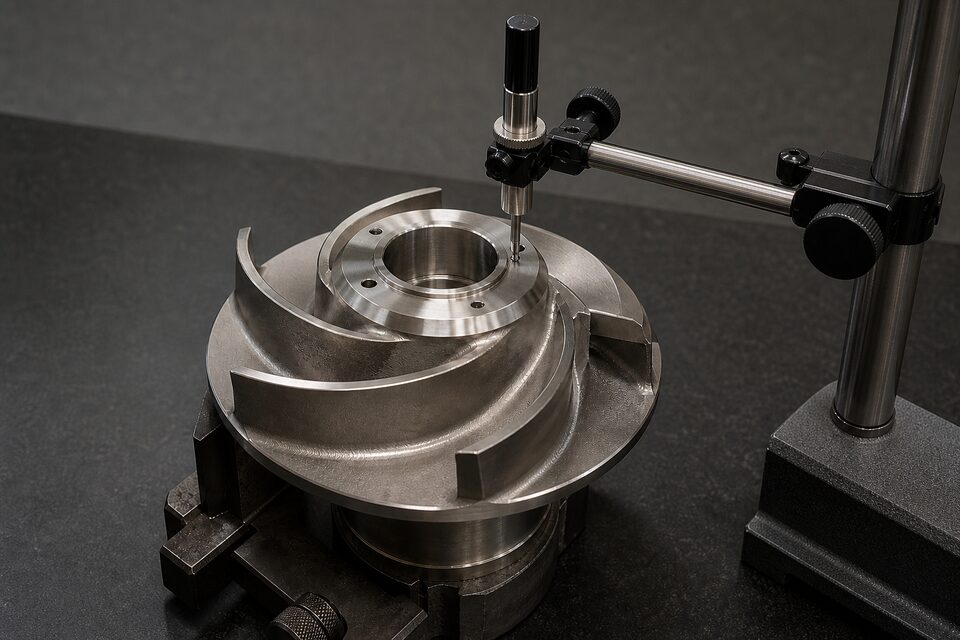
Critical requirements may include dimensional relationships, fits, flatness, concentricity, sealing interfaces and surface finish. Inspection and documentation are agreed before production.
If the alloy or casting process is not yet fixed, start with what the component must withstand and the interfaces it must control.
START WITH WHAT YOU KNOW
Information that helps us review the component
A complete manufacturing specification is not required. The details below help us understand the component:
- 2D drawing, 3D model or physical sample
- Material or alloy, if already specified
- Application and operating environment
- Quantity and expected repeat requirement
- Critical dimensions, fits or GD&T requirements
- Surface finish, heat-treatment or coating requirements
- Inspection and documentation requirements
- Delivery location and required timing
If some of this is not yet decided, share the application and the outcome the component must deliver. We will clarify the manufacturing requirements with you.
START A CASTINGS OR PRECISION REQUIREMENT
Move from casting requirement to finished component.
Share the drawing, model, sample or application context. We will review the component, clarify the manufacturing and inspection requirements, and define the route to a finished part or assembly.